



Some of the Many Media Outlets That Trust TripInsuranceStore.com & Steve Dasseos’ Advice:

Casey: Roanoke family’s luxury cruise ‘nightmare’ story touches a nerve
by Dan Casey August 22, 2023
Sunday, and again on Monday, my email inbox has been flooded with woeful tales about long-planned ocean-cruise vacations that were suddenly scotched for various reasons — and difficulty travelers have had procuring refunds.
Those were spurred by Sunday’s column, about the Thompson family from Roanoke, who prepaid nearly $61,000 for a luxurious seven-day cruise to Alaska, plus a five-day land package, leaving from Canada late in June.
All seven members of the Thompson clan missed their entire vacation with Norwegian Cruise Line. That happened because the first of two flights NCL booked them on (out of Greensboro, on the day the ship departed) was canceled. The family tried, but failed to get to Vancouver before the ship departed. But they made it only as far as Seattle.
Norwegian refunded the family $2,500 of their $60,619.17 vacation package cost, for taxes and tips they had prepaid with that package. That left the family out more than $58,000. …
Steve Helveston noted there are insurance agencies that specialize in travel insurance.
“I always purchase trip insurance for expensive trips, but WHO you get it from is critical. You really have to know the right place,” Helveston wrote. The Hampton Roads resident recommends an agency called Tripinsurancestore.com, which is accredited by the Better Business Bureau and has an A+ rating.
The owner, “runs his business straight up and only sells insurance from companies he knows will honor their contracts. His site is chock full of the ins and outs of trip insurance and horror stories of people who didn’t know what they were doing,” Helveston wrote.
8 Travel Insurance Hacks You Should Know, According to Experts
Before you set off exploring, ensure you’re protecting your trip the right way.
By Zachary Mack
October 27, 2022
2) Take a photographic note of everything you’ve packed in your checked luggage.
Whether packing is a long, drawn-out, and traumatic process for you or an easy last-minute task you breeze through, you still might not recall everything that makes its way into your bag. That’s why experts say it’s important to remember to do one thing before you zip up and take off. “Before you close your suitcases, take photos of the contents, so you have an accurate list for a claim,” Steve Dasseos from Trip Insurance Store tells Best Life. “It’s nearly impossible to remember what you packed if your suitcase is lost.”

“What’s the best travel insurance for your fall trip? It depends.”
September 8, 2021 By Christopher Elliott
TripInsuranceStore is in the Washington Post. I am thankful to Christopher Elliott for including me in his September 8, 2021 article “What’s the best travel insurance for your fall trip? It depends.”
From his article:
Finding the best travel insurance has never been easy, but if you’re planning a trip for this year, it’s never been this confusing.
Travel insurance companies have been adjusting their policies in the past few months to meet the demands of both cautious travelers and underwriters who are wary of losing their shirts on pandemic claims. Experts say there are a few essential coverages you need for your upcoming trips — and some that you can skip. Their advice can inform any decision you make about the best travel insurance for your fall and winter travels.
There’s a growing awareness of travel insurance. Sales of travel protection have roughly doubled since the pandemic started, following two decades of steady growth. Current and emerging coronavirus variants are putting it front and center this fall, too.
Confused? There’s an easy solution: a “cancel for any reason” travel insurance policy, which allows you to cancel your vacation and receive a partial refund of your nonrefundable prepaid expenses. You can also buy an extra medical option to handle any potential coronavirus issue.
But there’s a downside: Cancel-for-any-reason insurance is expensive. A traditional travel insurance policy, which covers named perils, such as evacuations and lost luggage, is between 7 and 9 percent of the cost of your trip. This type of policy will set you back between 10 and 12 percent, and sometimes more.
Also, since the pandemic, many insurance companies have quietly reduced the payout on a cancel-for-any-reason policy, from 75 percent to 50 percent. You can still find 75 percent payout policies, but you have to look for them. And fortunately, most insurance companies include medical coverage in their plans, although significant restrictions apply.
The best trip cancellation travel insurance policy for you might not be the most expensive one, says Steve Dasseos, founder of TripInsuranceStore.com. For example, a regular policy will cover trip cancellation, interruption, trip delays, lost luggage, medical emergencies and evacuations. Not one of his policies exclude pandemics or epidemics.
“Many people have been overpaying for travel insurance plans, because whoever sold the policy to them failed to tell them that they didn’t need cancel-for-any-reason coverage,” he says.
 |
“Steve Dasseos, Founder of TripInsuranceStore, Shares How Travelers Can Protect Their Vacation’s Financial Commitments Amid a Pandemic” |
By Adam West, Managing Editor for CardRates.com, on June 15, 2020
In a Nutshell: TripInsuranceStore.com was one of the first one-stop-shop internet sites for travel insurance. Today, the website and its founder, Steve Dasseos, helps countless travelers protect their financial investments when booking a trip for business or pleasure. During a global pandemic, those insurance plans become more important — and sometimes harder to understand.
Most people don’t plan a big vacation in the days leading up to their departure. In fact, many people start booking and paying for a trip as much as a year in advance. As we’ve all learned recently, a lot can happen in a few days — let alone a year.
Trip insurance is typically written for people who get sick or injured before their trip or have to cancel for other various reasons. But a global pandemic — who’d expect that?
Millions of people around the world have had their travel plans thwarted since travel restrictions and stay-at-home orders were put into place due to Covid-19. Some travelers managed to get refunds or new departure dates. But others haven’t been so lucky.
Steve Dasseos, the founder of TripInsuranceStore.com, has helped countless travelers protect their financial and health interests when it comes time to book a trip. But travel hasn’t always been his passion. In fact, Dasseos spent 15 years as a financial planner before pivoting to a different industry.
“As my clients were nearing retirement, they started to travel,” he said. “Most asked me about travel insurance, which I had never heard of at the time. After researching the topic, I found that the few travel insurance websites that existed weren’t very detail-oriented. In my opinion, most of them are still like that.”
Dasseos took it upon himself to build a repository of travel insurance knowledge with comprehensive search functionality that finds the best travel insurance plans available for any traveler.
Dasseos said he wants someone to visit his website at any time of day or night and quickly find the same insurance options that he’d find when searching for them. The cost of those plans will depend on the coverage needed, among other factors.
“You should expect to pay between 8% and 13% of your prepaid trip cost if you’re getting a trip cancellation plan,” Dasseos said. “The total cost will depend on your age and the state that you live in.”
But will those plans cover the traveler in the unforeseen circumstance of a global pandemic?
“About half of the plans on the market currently exclude coverage related to anything with this virus,” Dasseos said.
That’s because most travel insurance plans cover circumstances that people experience regularly, such as illness. But plans weren’t written to cover a global pandemic and mandatory stay-at-home orders.
“You have to have a valid reason for canceling your trip under any plan,” Dasseos said. “Fear, worry, or concern isn’t considered a valid reason. Most governmental actions aren’t covered either. So if the government says that TSA is going to take 10 minutes to screen each person at the airport and flights get backed up for days, you aren’t covered.”
Most Plans Aren’t Written to Cover a Global Health Crisis
Many of the generic plans sold through travel providers or touring websites have no language in place for global health scares. They’re traditionally cookie-cutter plans that cover the basics. That’s why it’s important to research a travel insurance plan through an expert, such as Dasseos, who has no ties to the travel company and has the traveler’s best interests in mind.
“A lot of travel insurance websites sell policies that seem easy, but make it very difficult to make a claim should you need it,” he said. “In more than 20 years, I’ve never had an honest claim turned down.”
In the world of travel insurance, there isn’t a one-size-fits-all plan. Travelers can literally choose from hundreds of options that vary based on their needs and other factors.
The most common is trip cancellation and trip interruption insurance. These plans can cover paid expenses if someone cancels a trip for a valid reason. Interruption insurance helps cover expenses should something prematurely end a trip.
Dasseos noted that most people think they can only make a claim for trip interruption if they experience a traumatic injury that requires emergency medical services, but that isn’t true.
“The medical treatment doesn’t have to be anything that’s life-threatening,” he said. “It can be anything that causes a normal person to go to the doctor — anything from a twisted ankle or something very serious.”
Travelers can purchase these plans together or separately. Dasseos said that trip interruption plans often cost less if purchased alone because they don’t include trip cancellation, which typically triggers more claims.
Plans that cover pre-existing conditions are also available. These plans become valuable if you or a loved one has a medical condition that has required treatment within the last 60 to 180 days.
“Say your Grandmother has congestive heart failure and isn’t in good health,” Dasseos said. “You’re worried, though, that something could happen when it comes time to take your cruise. You can purchase a policy that protects you, should something happen to her and you can’t go because you want to stay with her.”
Separate or combined plans can also cover flight insurance, rental car insurance, luggage insurance, and more. With so many options available, it makes sense to consult with an expert when purchasing a plan to protect large financial interests during a trip.
“Don’t assume that all companies will work the same,” Dasseos said. “There are hundreds of companies out there with hundreds of plans. We only offer a handful of them. We simply don’t trust some companies. Others have great plans, but terrible customer service.”
But what if someone doesn’t purchase a travel insurance plan — or a plan turns out to be a bad one?
Credit Card Policies May Provide Backup Coverage
Travelers do their research, pick the perfect place to stay, and map out their itinerary minute by minute. But what happens when a global pandemic prohibits travel and keeps them at home?
Some accommodation providers aren’t giving refunds to travelers who aren’t taking their pre-paid trips due to Covid-19. Others are only offering to reschedule trips, but many people are still generally wary of traveling and just want a refund.
Dasseos said that, even if someone has no travel insurance — or they’re under-insured — they may still have options to receive a refund.
Many credit card companies provide basic travel insurance benefits if the customer pays for their trip using the card and may provide refunds when a trip becomes impossible to take.
“This isn’t guaranteed,” Dasseos said. “I’ve seen some people successfully challenge the charge and others who aren’t successful. The higher-end cards tend to offer more comprehensive benefits than the basic cards. It’s sometimes governed by the state the person lives in or the terms and conditions of the card they use.”
If a traveler decides to reschedule a trip that was booked with insurance, Dasseos said that nearly all travel insurance plans will carry over to the new date. It’s important, though, to inform the insurance provider of the change or the plan may forfeit its coverage.
Travelers Shouldn’t Assume a Policy Fully Covers Them
Most of us learned from an early age that we shouldn’t sign anything without reading it first. That also goes for trip insurance plans. While one may think that all plans cover the same things, Dasseos said most people don’t realize how different travel insurance plans are, despite similar verbiage.
“You might have five travel insurance providers that use the same wording in their contracts, but all five might define the words differently,” he said. “One company might provide 23 different reasons why you could cancel your trip, and another company might have nine. People think that companies all cover the same things. Never assume with a contract.”
Dasseos said he’s seen just about every monkey wrench an insurance provider can throw at a traveler. His business has learned from those experiences to help new customers avoid repeating the same mistakes.
“Even though we sell travel insurance, we aren’t in the business of selling,” he said. “We’re more about educating. I don’t want to sell anything to someone if they don’t need it. I can’t ethically feel right if I sell something to someone that doesn’t meet their needs.”
That dedication to the customer keeps previous clients coming back to purchase insurance plans for their upcoming trips. And word of mouth — as well as an easy-to-use website — keeps new travelers coming to the site.
And as the Covid-19 global pandemic continues, the need for good insurance plans only grows. That also means that travel providers will continue to alter the wording in their plan’s contracts.
“It’s always important to get to know the terms and conditions of any travel document you sign,” Dasseos said. “A lot of people become surprised and say ‘I didn’t know the touring company, airline, or travel provider could do that,’ but they signed it anyway — which means they can do it.”
 |
“Hey, Quick Question: Do You Really Need Travel Insurance When Booking on an Online Site?” |
“I stood watching the luggage carousel spin with hopeless anticipation. I was on my first-ever entirely solo vacation and had planned every detail perfectly, including packing the precise items I’d need for my bucket list trip to the Galapagos. But I’d already been at the Quito airport for hours with no sign of my essentials in sight—and no sense of what was going on in a completely foreign setting.
There was only thing that was providing me with some calm. Although I had never thought to purchase travel insurance on my trips around the world, I had for the first time since the company I was traveling with, Intrepid Travel, required it—and boy was I grateful.”
Read Rachel’s entire article here. The excepts below are where Rachel referenced Steve Dasseos:
“Travel cancellation can cover reimbursements if a reason arises that you can’t go on the trip at all. “If you, a close family member or a traveling companion gets hurt or sick before you leave (your doctor must see you in person and say you can’t travel), travel insurance may reimburse you the money you lose and that may include pre-existing medical conditions,” Steve Dasseos, founder of TripInsuranceStore.com, says.
And medical reasons aren’t the only ones protected by travel insurance. “Your travel supplier could unexpectedly cease operation, you are laid off, you’re required to work, terrorism at your destination, bad weather, hurricanes, natural disasters or unexpected jury duty,” Dasseos notes as other possibilities.
If an incident happens while on the trip, trip interruption or trip delay Insurance may cover it and if it’s a medical need that requires being transported back home, it can cover emergency medical transportation, he explains, adding that Medicare doesn’t cover medical expenses outside the country.
Also important is what the policy doesn’t include, like bad weather, government regulation changes, war, or trips to obtain medical treatments, Dasseos adds.
For the most part, not wanting to go anymore also isn’t a good enough reason to cancel. However, some plans do offer a “Cancel for Any Reason” clause—usually at a higher cost—which covers you in case you simply change your mind for any reason. But for these, be sure to insure the total cost of the entire trip together, Dasseos advises, otherwise you may forfeit the entire coverage.
Dasseos also notes to be aware that trip cancellation starts at 12:01 a.m. the day after you buy the policy while other coverages start the moment you leave home and end when you return.”

“In an uncertain world, travel insurance provides peace of mind (and, occasionally, an emergency trip home)”
October 8, 2017 at 6:08 AM
By Susan Glaser, The Plain Dealer, sglaser@plaind.com
From State Department travel warnings to terrorist attacks to catastrophic hurricanes – the travel world is awash with worries, both real and imagined. What’s a weary traveler to do?
Increasingly, the answer is travel insurance.
Later in Susan’s article (read it in full here), Susan states:
Not every traveler, however, needs insurance.
Need some help deciding?
Most domestic travelers probably don’t need insurance, unless a large portion of their trip is nonrefundable (a vacation home rental, say, or a Mississippi River cruise).
Many credit card companies offer some coverage — for lost bags, accidents and other issues — though it’s important to research the details.
In general, travelers who are older are more likely to buy, in part because they’re more likely to face health problems, but also because they’re more likely to spend more on travel.
Steve Dasseos, founder of TripInsuranceStore.com, can make the calculation even simpler, narrowing down the decision to two main factors:
How much money will you lose if you have to cancel your trip? If it’s more than you can bear, then buy insurance.
And do you have health insurance that covers you when you travel out of the country? For example, Medicare, in general, does not. If the answer is no, it’s wise to buy medical coverage, if nothing else.
Helen Gisselbeck of Willoughby can attest to its importance: “We were on a riverboat cruise from Bucharest to Budapest a couple of years ago, and unfortunately I fell from the steps of the bus and broke my hip. It was a nightmare, but without trip insurance, it would have been a financial disaster.”
Her insurance company paid for her hospital care, her husband’s stay at a nearby hotel, and their first-class flight home. “We tried to figure out what it might have cost us out of pocket, to take care of all these problems and we know it would be thousands and thousands of dollars – plus all the headaches of not knowing what to do in an emergency like ours.”
Finding the right plan
Once you decide you want travel insurance, the next step is deciding what kind. There are dozens of companies that sell it, and every policy is a little bit different.
This is not the time to skim the fine print, said Dasseos, who has heard too many clients say, after the fact: “But I assumed it would work this way…”
If there’s something you don’t understand, he said, ask.
“It’s far more complicated than health or life insurance,” said Dasseos, a former financial planner. “It’s surprising that anyone is able to get through it on their own.”
There are three primary areas of coverage, which typically can be purchased separately or together:
* Trip cancellation and interruption insurance, which allows a traveler to cancel a trip or cut it short for a variety of specified reasons: sickness or injury (for you, a traveling companion or family left behind); loss of job; weather or natural disaster; terrorist attack. But the devil is always in the details: Hurricane coverage kicks in only if your destination is under a hurricane warning; coverage for a terrorist attack only applies for a limited period of time after an attack in a specified place.
* Medical insurance and evacuation insurance, which cover travelers if they get sick or injured while traveling – and brings them home if necessary. Some policies allow for pre-existing conditions, many do not. (And in all cases, if pre-existing coverage is needed, it must be purchased shortly after travel plans are made, not right before the trip.)
* Cancel-for-any-reason policies, an increasingly popular option that allows travelers to cancel for reasons not spelled out in other policies – travel warnings, for example, fear of contracting the Zika virus or bad weather that doesn’t rise to hurricane status. It is typically considerably more expensive than a traditional trip cancellation policy, up to 50 percent more, said Dasseos.

October 20, 2013
I have had a good trip-insurance experience that I wanted to share. I decided to do the ultimate travel splurge: the National Geographic Round the World by Private Plane tour. The cost, including the single supplement and airfare to and from the point of departure, is $77,000. NatGeo offers a policy for $10,000; it provides evacuation coverage, and I already have medical coverage so I needed only cancellation coverage and decided to explore the world of independent insurance.
Tripinsurancestore.com lets you view dozens of policies, but my trip was above the maximum insurable limit on most, so I called. They knew immediately the trip I was taking and said I needed to speak to Steve Dasseos, the president who handles the big trips. He offered me a policy that met my needs for about $3,000. I asked whether I could buy “amounts” and not necessarily the whole trip, and he said yes. I took a middle road and have insured $40,000 of my trip for about $1,600. So I have insured some of my risk but saved about $8,400 in order to insure my needs. I am very comfortable with this compromise.
Joan L.
Newport Beach
Note from Steve:
Joan didn’t need pre-existing medical conditions coverage, so she self-insured part of her trip. If you, a traveling companion or a non-traveling family member has a pre-existing condition that could cause you to cancel your trip or require medical treatment on your trip, most plans require you to insure your full prepaid trip cost.

A Travel Insurance Skeptic Changes Her Mind
By: Caroline Mayer Forbes.com July 8, 2013
I used to scoff at the notion of travel insurance, never even considering buying a policy that would reimburse my costs if bad weather or an illness caused me to cancel a trip.
I figured my chances of needing to file a claim were low and that any payback from purchasing the insurance would be lousy. As a longtime consumer reporter, I’d often heard complaints from travelers saying they were unable to collect because their policies contained so many loopholes and exclusions. Read the full article here

5 Types of Insurance Policies to Buy
By: Dawn Papandrea May 2013 Issue of Family Circle
4. Vacation Insurance (read the full article here)
If you decide to take extra precautions against unforeseen events that could lead to a cancellation or interruption of your trip, make sure the reason — weather disaster; cruise ship illness outbreak; vacation provider going out of business; injury, illness or death of a family member — is listed as covered. Insurance may reimburse you for the cost of the trip, lost luggage, emergency medical attention or expenses that result from travel delays. “Some policies even have a ‘cancel for any reason’ clause,” says Salvatore, though you’ll pay extra for that coverage.
Get it if: you have a medical condition or an immediate family member is very ill, or if losing the cost of the trip would be financially devastating. It’s also a good idea for adventure travel, when injuries are more likely, and for overseas destinations. Vacation insurance may also bridge any gaps in your health insurance, says Steve Dasseos, president of TripInsuranceStore.com, which specializes in customized travel insurance. For instance, some state- sponsored plans don’t pay for doctor or hospital visits outside your home state. “Likewise, national health care plans generally do not cover people outside their country of residence.” Don’t bother with insurance for inexpensive getaways.
Timing: You don’t have to pay the entire cost up front, so when you’re planning a trip far in advance, says Dasseos, insure only your deposit. As you make additional trip payments, increase the coverage accordingly.
Watch out for: travel insurance plans that aren’t offered by a licensed seller or regulated by the state in which they’re sold, which should always be avoided.

Too Sick To Fly: Why Your Seatmate May Have Influenza Symptoms
Even with influenza symptoms, passengers are reluctant to initiate flight cancellations
By: Irene S. Levine November 13, 2012
Airline policies, flight cancellation fees, and complacency among airline passengers and personnel are among the factors that encourage people to fly sick.
Here are a few other reasons why air passengers fly sick:
– Airlines are loath to kick sick passengers off planes for financial reasons
– The outward symptoms of communicable diseases aren’t always apparent
– Overly restrictive airline policies encourage passengers to fly while sick
– Exorbitant fees for flight cancellations encourage passengers to fly sick
– Consider trip cancellation insurance but assess the cost and read the small print.
“If a traveler is already ill and they know they will have to cancel their trip, it is too late to buy trip cancellation insurance,” says Steve Dasseos, president of TripInsuranceStore.com. “It’s like wanting to buy fire insurance when your house is on fire.”
How to Buy Car-Rental Insurance in Europe

By From April 2012 By Mark Orwoll, Travel + Leisure
Tip #6: Consider Buying Insurance
Paula Lyons of best-car-rental-tips.com says you are likely to get better CDW prices through an independent insurer rather than through the car-rental company. She recommends getting a quote from TripInsuranceStore.com.
 (Howard County, Maryland)
“Travel_navigation”
A primer on how to use a net to escape
By Judy Colbert, judy@judycolbert.com, posted 6/24/10
Travelers who book airline tickets, hotel rooms, car rentals and other options online, often in the middle of the night in their pjs, can only wonder what we ever did without the Internet.
To someone who still uses a travel agent or has the 12-year-old take care of the travel plans, looking at travel-planning options can make a three-card Monte wager look like a sure bet.
Social media (where almost anyone can go online and post a comment, spew a rant or post pictures of the three-month-old strapped in for his or her first flight) are changing the way companies communicate with customers.
Other websites that provide travel advice and assistance are www.TripInsuranceStore.com, …
Seven Tips for Villa Rentals
By Andrea Bennett, Travel + Leisure March 9, 2010
Tip #6: Consider Buying Insurance
Renting a villa is a large investment. Insurance can cover you in the event of a medical evacuation or an unforeseen conflict; it can also protect you from bad weather delays or errors made by the rental agency. Some policies will let you cancel if you’ve recently been laid off from your job, while others will permit you to cancel for no reason at all. Expect to pay a premium of 5 to 11 percent of the trip’s prepaid, nonrefundable cost; cost may depend on the ages of the travelers in your group. Use one of the five companies listed on tripinsurancestore.com.
Spring Break safety: Travel tips for teens and college kids
By Elizabeth Weiss McGolerick, SheKnows.com
Protect your health. Steve Dasseos, president of Trip Insurance Store, advises that you learn as much as you can about your health insurance policies before your child travels to a foreign country, including if your child will have coverage outside of the U.S. and how much you would have to pay out of pocket for medical treatment.
10 Things to Know About Travel Insurance
By Paul Eisenberg, Fox News Channel on January 4, 2010
With travel insurance, as with life or a box of chocolates, you sometimes never know what you’re gonna get. But if you’re mindful of the basics, it can be a lot more predictable than you might think.
… Be sure what you’re buying is actually insurance and not a waiver plan, urges travel insurance agent Steve Dasseos of travel insurance comparison site TripInsuranceStore.com. A pre-departure waiver plan from a travel supplier is “more a promise to pay in certain circumstances,” he says, but since it’s not actually insurance your state’s insurance department can’t help you if you have a dispute.
Travel Insurance: What You Need to Know Before You Buy
By Sascha Segan, Frommers, November 10, 2009
Here’s the good news: travel insurance covers more than it used to. Since I first wrote about trip insurance in Frommer’s Fly Safe, Fly Smart in 2001, travel insurers have come up with policies that protect you if you lose your job, if you’re ordered to work instead of taking a vacation, and even policies that let you “cancel for any reason.” (Those last ones are pretty popular.) Waivers of pre-existing conditions can let smart shoppers prevent their claims from being denied.
The bad news is, travel insurance is more complicated than ever. With so many options, and with policies written in a language that only sometimes resembles English, it can be nightmare figuring out what you actually need.
“I don’t know how people without insurance backgrounds figure out insurance,” said Steve Dasseos, president of TripInsuranceStore.com (www.TripInsuranceStore.com).
Need travel insurance? When is it right or you? Erik Hastings (Travel Show Live) interviews Steve Dasseos on Oct. 18, 2009 to get the answers:
“Yes, we’ve saved the best for last. And, I’m not being facetious on this …”
Cruise Vacations: Debunking Travel Myths
Deals and Tips on Planning a Cruise Vacation for the Family
By Tom Dwywer and Susan Wagner 
Myth No. 1: Cruises Are Expensive:
How do you know when you need travel insurance? Steve Dasseos, founder of The Trip Insurance Store, a boutique travel insurance company, said, “If you have the potential for a big financial loss by cancelling your cruise for any reason, you probably should get insurance.”
But not everyone needs the same kind of travel insurance, which is why you should consult with a broker, Dasseos said. “If one is going to the Caribbean, that’s one kind of insurance; if you’re going to Mongolia, that’s another kind of insurance,” he said.
Read the entire ABC News article here
Are You Covered?
Date: 08/10/2009
By Serenity J. Knutson, Editor in Chief, PlannerWire
… Among all the other items to check off the risk management checklist, do you know if you’re taken care of when you’re traveling for international meetings? How about your attendees? Health emergencies and injuries can occur anywhere, at any moment, and you might be surprised how many people are not familiar with the details of their insurance policies when it comes to matters of foreign medical care.
Steve Dasseos, president of www.TripInsuranceStore.com, outlines the top four potential problem areas that an individual could encounter if hospitalized outside of the United States:
- They could have very little or no coverage outside the USA.
- If they have coverage, their health insurance plan might not be able to advance payment to a medical facility for a large claim, which means they might have to pay for it all.
- Their regular insurance company might not pay for an emergency medical evacuation or transportation.
- Their regular insurance company might not have a 24-hour emergency assistance help line.
“The individual will want to find out the maximum they would have to pay out of pocket if they needed medical treatment,” Dasseos says. “Chances are they will be out of network.”

Why You Need Trip Insurance Now
By Vanessa Richardson
Why You Need Trip Insurance Now in June 2009 Undercurrent Magazine
6 questions to ask before buying trip insurance
 By Christopher Elliott, on MSNBC.com March. 9, 2009
1. What do they call it?
The name of the plan can be a giveaway. Is it a “protection” plan or a “travel insurance” plan? There’s an important difference. Insurance is regulated by your state, according to Steve Dasseos, president of TripInsuranceStore.com. Trip protection isn’t. A clever travel agent may refer to a protection policy as “insurance” but the contract will tell you otherwise. “The phrase ‘travel insurance’ is tossed around, making it sound like every type of protection plan is a real insurance plan,” he says. It isn’t.
Read the entire MSNBC.com article here
Road Hazards
By Anne Tergesen, Feb. 14, 2009
Buying travel insurance is more important — and more complicated — than ever. Here’s what to look for.
Pre-Existing Conditions
It’s possible to get your pre-existing conditions covered under many trip-cancellation plans, however. The rules vary from insurer to insurer, but most require you to buy your policy in a set time frame — often, within seven to 21 days of your initial trip payment. You also will have to insure all of your prepaid, nonrefundable costs and be able to travel on the day you bought the policy.
“If you’re not able to travel today, but your doctor says you should be able to by your departure date, that isn’t going to work,” says Steve Dasseos, president of TripInsuranceStore.com, which features plans from a handful of insurers.
Read the entire Wall Street Journal article here
 Asa Aarons Interviews Steve Dasseos on Blog Talk Radio:
Consumer Reporter Asa Aarons gives you the tools to not only survive but prosper in a challenging economy.
On August 20, 2008 Asa talks with Steve Dasseos about how to get the best coverage when you plan a trip. (Steve’s interview begins at 40:28).
What type of travel insurance do you need?
By Sarah Schlichter, June 23, 2008 IndependentTraveler.com
With the combination of political unrest, financial troubles of major tour operators and airlines, and the prevalence of nonrefundable airline tickets, more travelers have purchased travel insurance to protect themselves against unforeseen events that may impact their plans.
There are several different types of travel insurance policies available, ranging from trip cancellation insurance to emergency medical evacuation, all of which vary widely by company in what their coverage includes and how much it costs.
Make sure you know exactly what your policy will and will not cover before you purchase anything…
Some travel insurers are now offering comprehensive “cancel for any reason” policies. You can find more information on several such policies at TripInsuranceStore.com.
Travel insurance can save your trip
by Asa Aarons Tuesday, May 13th 2008, 10:48 AM
Whether you need travel insurance depends on the answer to one simple question: Can you afford to lose the money you’ve invested in a trip?
Obviously, the answer depends on a host of reasons. That includes the cost of the airfare, the duration of the trip, the deposits you’ve made, the location you plan to visit, the stability of your home and work life, and your finances.
It may be prudent to pass on travel insurance if you’re traveling alone on a $200 flight. But cancellation or interruption insurance is all but essential if you’re planning a month-long tour of Europe with your spouse and children.
The key is to weigh the potential cost of changing or canceling all the reservations you’ve made against the cost of a travel insurance policy that offers the specific protection you need.
Travel insurance can prevent you from losing nonrefundable portions of your air, hotel and other prepaid or expected expenses. Most policies repay you if you or a travel companion become too sick to travel. And you can get your money back if your airline goes out of business, someone in your family gets sick or dies, a disaster makes your home uninhabitable or the area you’re scheduled to visit has severe weather.
Travel Insurance policies don’t cover everything. That includes your loss of enjoyment if it rains the whole week you planned to spend at the beach. Nor will travel insurance reimburse you if:
– A cruise line changes the route. You aren’t covered if you get a trip, even if it’s not the one you want.
– There is an uncomplicated pregnancy or childbirth. Medical emergencies are exceptions.
– You suffer from nervous or psychological disorders, including depression and anxiety.
– There are changes in your financial circumstance resulting from a job loss.
– You are taking free or promotional trips, including ones bought with frequent-flier miles.
Some policies don’t cover preexisting medical conditions, so if that’s an important feature, then shop around. Good sources of information: www.tripinsurancestore.com (Trip Insurance Store) let you compare the cost and coverage offered by multiple providers.
Asa Aarons is an Emmy Award-winning consumer reporter. His special Daily News column appears Monday, Tuesday, Thursday and Friday. Send your questions to Just Ask Asa, P.O. Box 3310, New York, N.Y. 10116. You can also contact him on his Web site at Just Ask Asa! (www.JustAskAsa.com) or via e-mail (Asa@JustAskAsa.com).
 Travel insurance ideas for canceled flights
On 7online.com (WABC) Thursday, April 10, 2008 | 5:43 PM
Eyewitness News NEW YORK
Hundreds of flights canceled over last week.
(WABC) — Is there anything you can do to protect yourself from canceled flights?
An estimated 250,000 travelers have been stranded this week alone.
Eyewitness News’ Kemberly Richardson took a look at travel insurance and if it’s worth your money.
Despite the current shaky state of things with the airline industry, there’s something many travelers say they wish they had purchased but never thought they’d use. Travel insurance.
Some experts say insurance can be just what you need to get to your final destination but there are lots of do’s and don’ts.
“Never, never books insurance through the company you are traveling with. If the tour operator goes belly up or the cruise goes belly up and you bought insurance with them, you’ve lost the insurance too,” said Pauline Frommer with Pauline Frommer Guides. Frommer says instead, buy insurance from a third party.
Put in a few details and get instant quotes. The price of your ticket may also dictate whether you buy insurance.
Travel plans down the road? Make sure you have a policy which covers default. With a growing number of airlines going bankrupt, recently Aloha and ATA, buying insurance directly from your travel agent is also a good idea but remember to read the fine print and watch the price quotes.
To find out terms and conditions and exclusions of different travel insurance policies, Click Here (note from Steve: This link goes to TripInsuranceStore.com’s “What’s Covered” page). (Copyright ©2008 WABC-TV/DT. All Rights Reserved.)
Should you get cruise insurance? Yes, but …
If you’re clear about what’s not covered, insurance can be a life saver
By Jana Jones Cruise writer Updated: June 15, 2007
… The Trip Insurance Store is an online insurance agency that also allows you to book your protection right from the site, but offers so much information in such a clear and concise manner that we found it to be one of the best Web sites we have ever visited. Not only can you compare the coverage of several travel insurance providers side by side, each covered component is described and explained in a manner that makes it easy to understand. We applaud and appreciate that, since the choices and conditions can be overwhelming. Another thing we liked about the Trip Insurance Store is that there are live agents you can call toll free to clarify any questions you might have.
Click here for Jana Jones’ article
Getting a handle on hurricane season
Travelers face tough choice between good deals, scary weather
By Rob Lovitt Travel writer, MSNBC contributor, Updated: 7:03 p.m. ET May 31, 2007
For more information, check out TripInsuranceStore.com … which offers side-by-side comparisons from several providers.
Click here for Rob Lovitt’s article
Do you need travel insurance?
By Peter Greenberg
TODAY Travel Editor
Updated: 9:32 a.m. CT March 27, 2007
On Page 3, “Resources:
TripInsuranceStore.com offers comparisons and testimonials from users, and you can also sign up for a plan though the site.”
Click here for Peter Greenberg’s article
Pack Your Bags, Hedge Your Bets
By Laurie Berger, Special to The Times
Los Angeles Times – January 22, 2006, Travel Section
… It’s best to comparison shop. Several sites, including www.TripInsuranceStore.com, make it easy…
Travel Insurance at a Glance
By The Frommer’s Staff November 15, 2005
To travel to some destinations abroad, some insurance is always a good idea (such as trip cancellation, for instance). To others, medical evacuation insurance may spring to mind (in countries with limited medical facilities, for instance). Be sure to consider one or more of the following possibilities and prepare accordingly.
Check your existing insurance policies before you buy travel insurance to cover trip cancellation, lost luggage, medical expenses, or car rental insurance. You’re likely to have partial or complete coverage. The cost of travel insurance varies widely, depending on the cost and length of your trip and your age. More dangerous activities may be excluded from basic policies.
To compare policies and prices, visit reliable online sources like www.TripInsuranceStore.com.
How to Find The Best Cruise Deal
Khalsa News Network – Punjab, India, April 28, 2005
… Get the policy from an Insurance Agency, not a Cruise Agency. Check out www.TripInsuranceStore.com; one can get a comparative quote.
Travel Insurance
Budget Travel Online, Friday, April 15, 2005
… Get the policy from an Insurance Agency, not a Cruise Agency. Check out www.TripInsuranceStore.com; one can get a comparative quote.
Cancellation Waivers Versus Insurance
by Laurie Berger
L.A. Times – March 27, 2005, Travel Q & A
Comparison shop. Travel insurance is not bulletproof. There is a dizzying array of policies on the market, wrapped in enough fine print to give anyone brain freeze. Get buying tips, and compare plans at www.TripInsuranceStore.com …
Fine Print: What Makes Insurers Balk
Travel insurance is a terrific safety net, but you should always remember that even the best nets come with holes
by The Staff
MSNBC Sept. 8, 2004, September issue, Budget Travel magazine
“Log on to www.TripInsuranceStore.com, to compare plans; what they cost, cover, and pay out varies widely..”
Rest Insured
by Everett Potter
Ski Magazine, January 2004 page 50:
“You can compare prices and policies at www.TripInsuranceStore.com, a one-stop shopping site.”
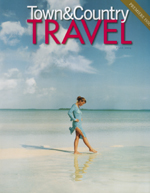 Buying Peace of Mind
More people are getting travel insurance. Here’s what it covers, what it doesn’t and why you might want it, too.
By Joanna L. Krotz
Town & Country Travel, Fall 2003
Page 75:
Compare Policies, Benefit By Benefit
On-line resources now make it easier to check the fine print. Broker sites like www.TripInsuranceStore.com offer instant quotes from reliable insurers.
Page 76:
Picking A Policy
To find the best plan, mix and match options at on-line brokerages like www.TripInsuranceStore.com.
Many Changes to Trip Insurance Since 9/11
ALFRED BORCOVER
Published September 21, 2003
Copyright © 2003, Chicago Tribune
…Consumers can comparison shop travel insurance vendors on such Internet sites as www.TripInsuranceStore.com. “What these sites do is allow you to put in all your trip parameters, and then it will show you who gives you the closest to the coverage you are asking for and what the pricing would be for your particular trip..
Third-party insurance is a wise option. If you purchase a cruise line’s or tour operator’s own insurance and the company goes belly-up, you’re stuck. Paying for your trip with a credit card also is smart. If you’ve charged your trip to a credit card and the company defaults, you can recoup your money through the federal Fair Credit Billing Act, which permits you to dispute the charge. Avoid purchasing cancellation waivers if they are offered by cruise lines or tour operators. Cancellation waivers are not regulated by state departments of insurance and may not protect you.
Copyright © 2003, Chicago Tribune
Kids, Summer and Health Insurance
READER’S DIGEST May 2003, page 193
Before sending the kids off to camp or on teen trips, check your health insurance policy. Some plans won’t cover emergency-room visits outside your area. Others won’t cover helicopter evacuations. If your plan has restrictions, ask the camp or tour what it covers, says Lori Donnelly Elm, a medical claims specialist. If summer programs leave your child unprotected, visit www.TripInsuranceStore.com for information about supplemental short-term travel insurance, which costs around $50 for 30 days.
Weighing the risks amid the SARS crisis
By Dawn Matus (INTERNATIONAL HERALD TRIBUNE)
Friday, April 4, 2003
TOKYO: …Travelers worried about contracting SARS on the road may want to check their insurance. Steve Dasseos, who owns the online travel insurance company www.TripInsuranceStore.com, advises people to find out whether the illness would be covered under the medical portion of their policy, and also to familiarize themselves with exclusions, which can be numerous.
“To avoid any unpleasant surprises, people should definitely find out exactly what coverage the company they are considering will have for SARS,” Dasseos said.
With more infections and deaths due to SARS being reported each day, the number of travelers to affected areas in Asia is sliding. But for people who do travel in the region now, there is an upside: bargain prices. Travel agencies are offering discounts to lure buyers, and even as airlines cut flights in response to falling demand, some are also advertising special fares.
Dawn Matus is a journalist in Tokyo.
Missing a flight just got riskier, but travel insurance could give you a little more security.
By KELLY GREENE
Staff Reporter of THE WALL STREET JOURNAL
“As of Oct. 1, the major airlines started requiring passengers with nonrefundable tickets to notify them if you don’t plan on taking a scheduled trip. In the past, you would simply get a credit for up to a year. But now, you must immediately rebook a new flight and pay a $100 change fee. If you don’t call before your flight, the ticket loses all its value….
There are a few things to watch out for, says Steve Dasseos, a travel insurance broker in Minneapolis who sells about 225 policies a week to cover (just) nonrefundable tickets through his Web site (www.TripInsuranceStore.com). If you have a pre-existing medical condition, you need to buy coverage as soon as possible after you book the trip. Most insurers have a tight window of as little as six days after you purchase your plane ticket for doing so. And if you’re traveling with a large family group, make sure you read the fine print. Some insurers say that you can cancel only if something happens to an immediate family member or your caregiver, no matter who else is traveling as part of the group; others say the entire group can cancel if anyone in the group needs to back out. Some companies even use different rules for different plans, depending on their cost, he adds.”
Kelly Greene is a reporter for The Wall Street Journal and for Encore, the Journal’s guide to life after 55.
What If Your Airline Or Cruise Firm Fails?
September 1, 2002
Personal Business — The Wall Street Journal Sunday.
By ERNEST BECK
“Do online research…check insurance brokers such as www.TripInsuranceStore.com to compare prices and policies.”
What Price to Travel With Peace of Mind?
By ERNEST BECK
August 4, 2002
Personal Business — The Wall Street Journal Sunday.
“… and insurance-broker sites for comparing policies and benefits: www.TripInsuranceStore.com
“Another tip: shop around. Trawl the Internet for policies and prices, and use insurance-broker sites — such as … www.TripInsuranceStore.com — that compare policies. Mr. Hunter of the Consumer Federation also advises being wary of buying insurance from travel agents. “Go directly to the source — the insurance company or a broker, where you can get competitive bids,” he says.
Flight Insurance Offers Reassurance
By Andrea Coombes, CBS MarketWatch.com
July 10, 2002
“On the flight insurance I sell, it covers you for as many flights as you take from the time you leave home till the time you return,” Dasseos said. “Some of the others are cheap because it only covers you per flight.”
“Business at www.TripInsuranceStore.com increased after the LA Airport shutdown, said Steve Dasseos, the site’s owner. But it’s important to buy the insurance before you start your travels, Dasseos said. Flight insurance bought after the first leg of your journey won’t apply to that trip.
Check on Insurance Coverage Before Kids Head Off to Camp
By LYNN ASINOF
Staff Reporter of THE WALL STREET JOURNAL
June 20, 2002
“But there are lots of exclusions, like injuries from extreme sports, says Steve Dasseos of www.TripInsuranceStore.com, Minneapolis. So read the policies carefully to make sure you are getting coverage you need.”
Ready to Purchase? It's easy and safe to purchase online.
PS - Read Steve's Blog or you may Subscribe to Steve's blog here
PPS - Even though TripInsuranceStore.com is the world's most informative travel insurance website, you are still responsible to know the coverage terms, conditions, limitations, and exclusions of your plan. No comments or explanations confirm or deny coverage. You need to refer to each plan's policy wording.
PPPS - The Trip Cancellation coverage begins at 12:01 a.m. on the day after the date the policy is purchased. All other coverages begin when you leave home for your trip when your departure date is in the future.
| Home | Popular | FAQs | Site Map | Buy | Wall Street Journal Recommended Blog | Privacy | Links |